The Gluten Free Pizza Dough You’ll Make Every Single Week
What Is gluten free pizza dough with sun dried tomatoes?
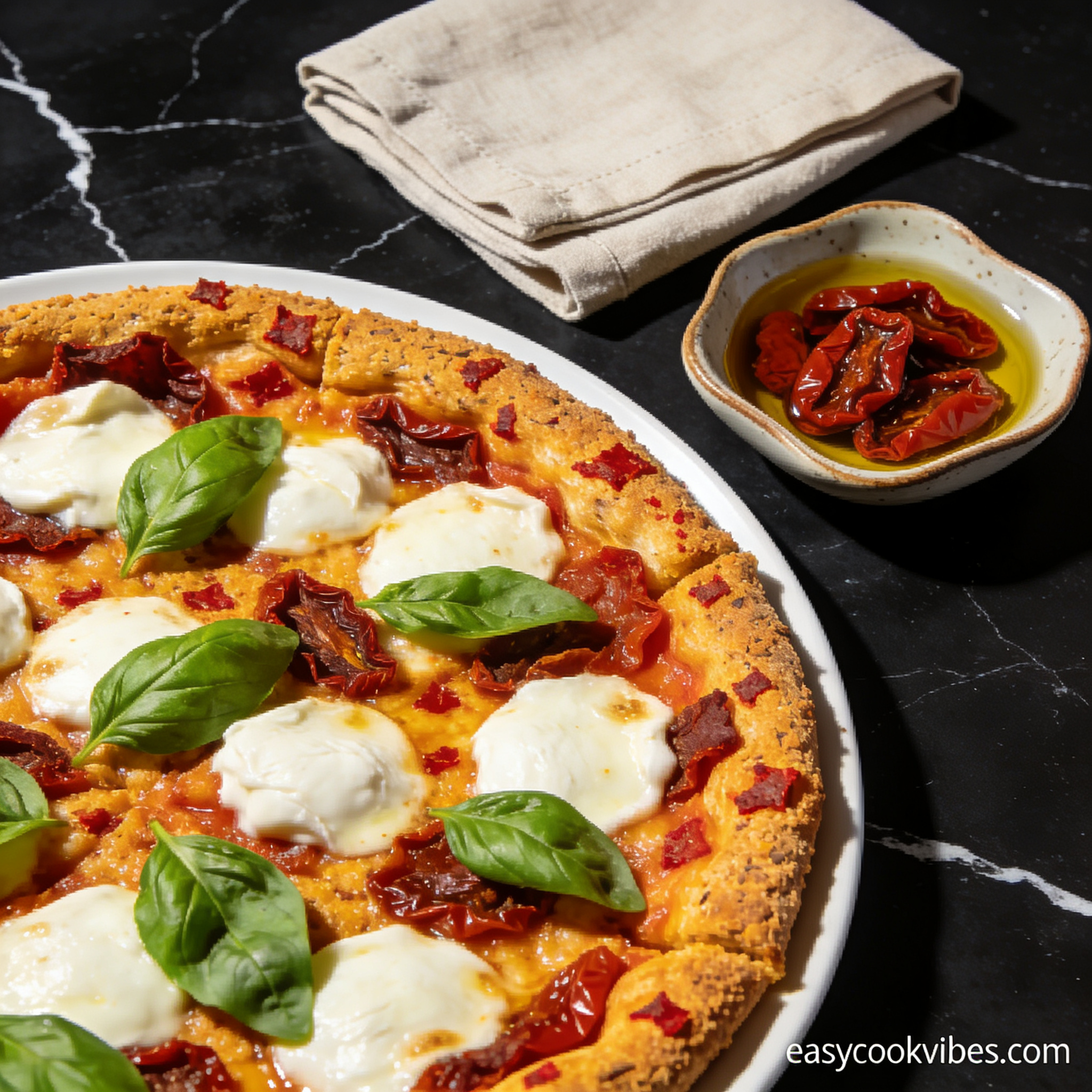
Gluten free pizza dough with sun dried tomatoes is the sturdy, flavorful foundation that finally made me stop mourning the loss of my favorite Friday night ritual after my celiac diagnosis. Unlike traditional wheat-based crusts that rely on gluten strands for structure, this version uses a carefully balanced blend of rice and almond flours combined with finely chopped sun dried tomatoes to create a dough that rolls out cleanly, holds its shape during baking, and delivers a subtle tangy sweetness with every bite. The tomatoes don’t just add flavor; they contribute natural oils and moisture that help combat the dryness often found in gluten free baking, resulting in a crust that bends without snapping and chews like real bread rather than cracker dust.
When I first went gluten free five years ago, I tried every premade crust and cauliflower alternative on the market, convinced that I’d never again experience the joy of folding a slice in half while watching movies with my kids. I wasted entire bags of expensive almond flour on recipes that spread into puddles or hardened into frisbees within hours of cooling. Then one desperate Thursday night, staring at a jar of oil-packed sun dried tomatoes in my pantry, I wondered if blending them into the dough might solve both the flavor and texture problems that had been haunting my kitchen. This gluten free pizza dough method makes all the difference.
That experiment changed everything. The natural acids in the tomatoes helped tenderize the rice flour, while the bits of tomato flesh created tiny pockets of moisture that prevented the gummy texture I had come to associate with homemade gluten free pizza dough. After nailing the ratios through three failed attempts and one spectacular success, I served it to my family without mentioning it was gluten free. My husband asked if I had finally given up on my “weird diet,” which I took as the highest possible compliment. These days, this crust appears on our table at least twice a week, often topped simply with fresh mozzarella and basil, though it works beautifully as the base for my The Almond Flour Crepes You’ll Make Every Single Week batter technique when I’m feeling creative with weekend brunch pizzas.
Why Does This gluten free pizza dough Recipe Actually Work?
This gluten free pizza dough succeeds where others fail because it addresses the three main challenges of gluten free baking: structure, moisture retention, and flavor depth.
- The sun dried tomato integration: Blending oil-packed sun dried tomatoes into the wet ingredients distributes tiny particles of tomato throughout the dough, creating natural flavor pockets and adding fat that mimics the mouthfeel of traditional pizza crusts made with olive oil.
- Strategic xanthan gum usage: Adding xanthan gum to gluten free pizza dough is essential as it mimics the elasticity of gluten and prevents the crust from crumbling when baked. I use exactly one teaspoon per cup of flour blend to avoid that gummy, slimy texture that comes from over-binding.
- Nutritional density: One slice of gluten free pizza dough with sun dried tomatoes made from almond flour blend contains approximately 180-220 calories, 5-8g protein, and 3-5g fiber per serving, making it a substantial base that won’t leave you hungry an hour later.
- The double-bake method: Par-baking the crust before adding toppings ensures the center cooks through without burning the cheese, solving the common raw-dough-center problem that plagues many gluten free pizza attempts.
- Resting time matters: Allowing the dough to rest for thirty minutes before rolling gives the xanthan gum time to hydrate and the flours time to absorb the tomato oils, resulting in a pliable, easy-to-handle dough that doesn’t stick to your rolling pin.
What You’ll Need
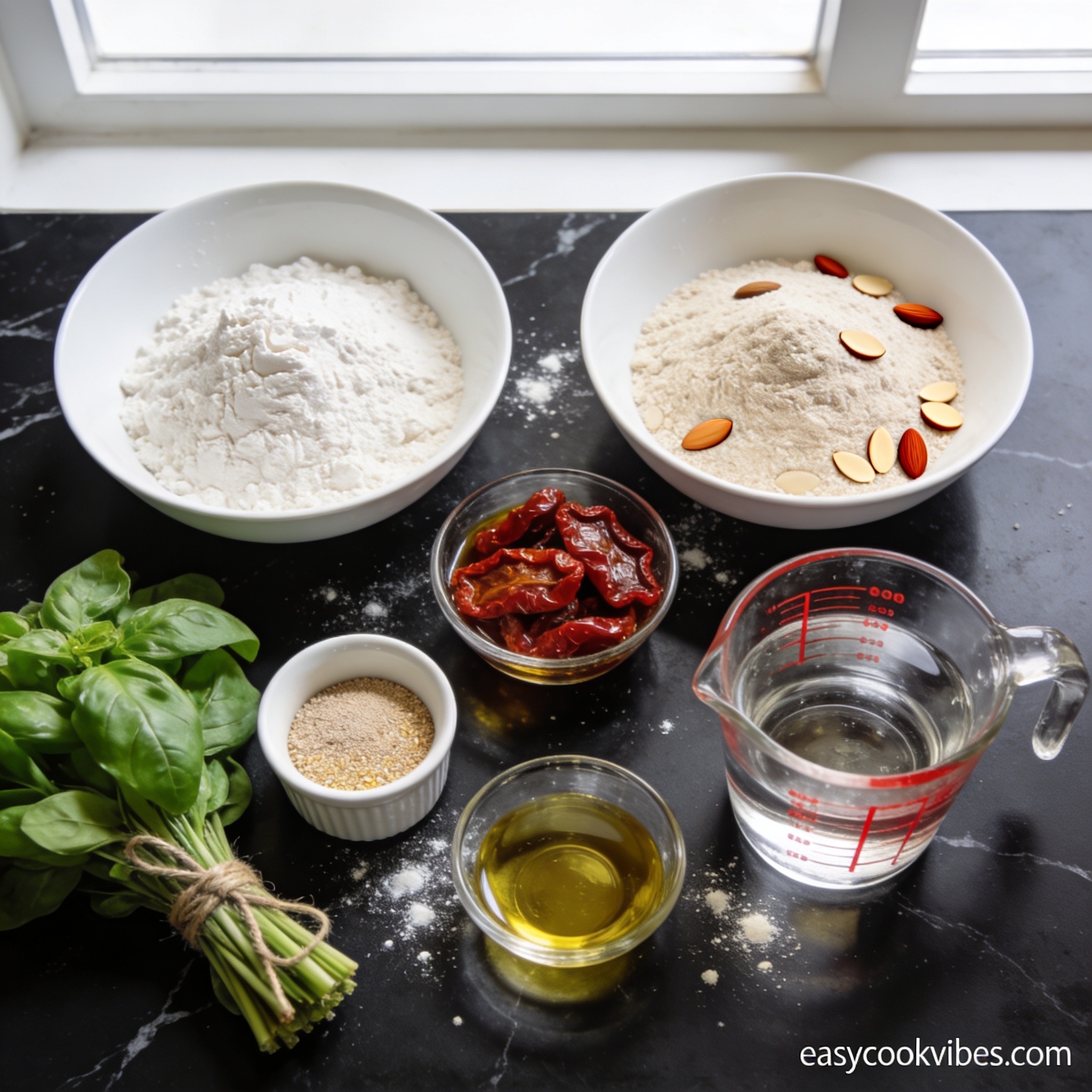
- 2 cups gluten free all-purpose flour blend (containing xanthan gum, or add 1 teaspoon separately)
- 1/2 cup almond flour (finely ground works best for texture)
- 1/2 cup oil-packed sun dried tomatoes, drained and finely chopped
- 1 cup warm water (110°F)
- 1 packet (2 1/4 teaspoons) instant yeast
- 1 tablespoon olive oil, plus extra for the bowl
- 1 teaspoon honey or sugar (feeds the yeast)
- 1/2 teaspoon salt
- 1/2 teaspoon garlic powder (optional but recommended)
The almond flour is crucial here; it adds protein and healthy fats that rice flour alone cannot provide, creating a more satisfying bite and helping you create a gluten free pizza dough that tastes homemade rather than store-bought. Make sure your sun dried tomatoes are packed in oil rather than dry-packed, as the oil helps hydrate the dough and prevents that chalky mouthfeel common in gluten free baking.
How to Make gluten free pizza dough with sun dried tomatoes
Step 1: Activate the yeast and prepare the tomatoes
Combine the warm water, yeast, and honey in a small bowl, stirring gently to dissolve. Let it sit for five minutes until foamy, which proves your yeast is alive and ready to work. While waiting, pulse your sun dried tomatoes in a food processor or chop them extremely fine until they resemble a coarse paste; you want maximum distribution without large chunks that would tear the delicate dough structure. This tomato paste will blend seamlessly into your wet ingredients, ensuring every bite of your gluten free pizza dough carries that tangy depth.
Step 2: Mix the dry base
In a large mixing bowl, whisk together the gluten free all-purpose flour, almond flour, salt, and garlic powder until completely uniform. If your flour blend doesn’t already contain xanthan gum, sprinkle it evenly across the surface now and whisk again for thirty seconds. This even distribution prevents clumping, which can create gummy pockets in the finished crust. Creating this homogeneous dry mix ensures that when you add your wet ingredients, the hydration happens evenly across all flours, preventing the dreaded wet-spotty-dry-spotty texture that ruins many gluten free pizza dough attempts.
Step 3: Combine and knead briefly
Pour the foamy yeast mixture, olive oil, and processed sun dried tomatoes into the center of your flour mixture. Stir with a wooden spoon until a shaggy, sticky dough forms, then switch to your hands and knead gently in the bowl for just one minute. Unlike wheat dough, gluten free pizza dough doesn’t develop structure through kneading; overworking it actually makes it tough. You want a cohesive ball that holds together but still feels slightly tacky to the touch. If it feels too dry and crumbly, add water one teaspoon at a time; if it’s a wet puddle, sprinkle in more gluten free flour blend one tablespoon at a time.
Step 4: Rest, shape, and par-bake
Cover the bowl with a damp kitchen towel and let the dough rest at room temperature for thirty minutes while you preheat your oven to 425°F with a pizza stone or inverted baking sheet inside. Once rested, place the dough between two sheets of parchment paper and roll into a twelve-inch circle or rectangle, whichever fits your pizza pan. Slide the dough (still on parchment) onto your preheated stone and bake for eight minutes until set but not browned. This par-bake step is non-negotiable for gluten free pizza dough; it creates a solid foundation that won’t sog out under sauce and cheese during the final bake.
Step 5: Top and finish baking
Remove the par-baked crust from the oven, add your sauce, cheese, and toppings of choice, then return to the oven for another twelve to fifteen minutes until the cheese bubbles and the edges turn golden brown. Let the pizza rest for five minutes before slicing; this resting period allows the starches to set fully so your slice doesn’t collapse when you pick it up. The result is a gluten free pizza dough sturdy enough to hold generous toppings without folding like a taco or cracking like a cracker.
What Makes This gluten free pizza dough Different?
Most gluten free pizza recipes fail because they treat the dough like wheat dough, expecting it to stretch and spring back. This recipe works with the unique properties of rice and almond flours rather than against them. This gluten free pizza dough method makes all the difference.
- The tomato fat factor: Sun dried tomatoes packed in oil contribute healthy fats that coat the starch granules, preventing the gritty texture that makes many GF pizzas feel like sand in your mouth.
- Hydration science: Gluten free flours absorb liquid differently than wheat flour. This recipe uses a higher hydration ratio than traditional pizza dough, creating a batter-like consistency that bakes into a moist rather than desiccated crust.
- Xanthan gum precision: Adding xanthan gum to gluten free pizza dough is essential as it mimics the elasticity of gluten and prevents the crust from crumbling when baked. Too much creates slime; too little creates dust. This recipe hits the exact ratio for sliceable structure.
- Parchment patience: Rolling between parchment prevents the dough from sticking to your counter without requiring extra flour, which would alter the delicate hydration balance and create a dry, cracked edge.
- No cornmeal needed: Unlike wheat pizzas that use cornmeal for sliding, this gluten free pizza dough releases easily from parchment paper, eliminating the gritty bottom that competes with the tender crust texture.
How to Store and Reheat
Leftover gluten free pizza dough stores beautifully, which makes this recipe perfect for small households who don’t want to bake a whole pizza at once. Wrap individual portions tightly in plastic wrap, then place in an airtight container in the refrigerator for up to three days. The dough will firm up considerably when cold, so let it sit at room temperature for twenty minutes before rolling; if it feels stiff, knead in a teaspoon of warm water to restore pliability.
For baked crusts or leftover pizza slices, store them in a single layer in an airtight container with a paper towel underneath to absorb excess moisture. Reheat slices on a dry skillet over medium heat for three minutes to restore the crispy bottom, or use a 375°F oven for five minutes. Avoid the microwave, which turns this carefully crafted gluten free pizza dough into a rubbery, chewy disc that resembles cardboard more than food.
Can You Make gluten free pizza dough with sun dried tomatoes Ahead of Time?
Absolutely, and I encourage you to do so. This gluten free pizza dough actually improves with an overnight rest in the refrigerator, as the flavors meld and the xanthan gum fully hydrates, creating an even more pliable dough the next day. Prepare the dough through Step 3, then place the oiled dough ball into a zip-top bag, squeezing out all air before sealing. Refrigerate for up to twenty-four hours.
When ready to bake, let the dough sit on the counter for thirty minutes to remove the chill; cold gluten free pizza dough is brittle and will crack when rolled. If you want to freeze the dough, wrap individual portions in plastic wrap, then foil, and store in a freezer bag for up to one month. Thaw overnight in the refrigerator, then proceed with the room temperature rest before rolling. The sun dried tomatoes’ natural oils actually help protect the dough from freezer burn, making this one of the most freezer-friendly gluten free pizza dough recipes I’ve tested.
Variations Worth Trying
- Herb-Infused Crust: Add two tablespoons of chopped fresh rosemary or basil to the dry ingredients, which complements the sun dried tomatoes and creates an aromatic base perfect for margherita pizzas.
- Dairy-Free Option: Replace any cheese toppings with nutritional yeast sprinkled over the sauce, and ensure your sun dried tomatoes are packed in olive oil rather than soybean oil for a completely dairy-free pizza night featuring this versatile gluten free pizza dough.
- High-Protein Boost: Swap half the almond flour for finely ground hemp seeds or pumpkin seed flour to increase the protein content to nearly ten grams per slice while maintaining the tender texture.
- Spicy Arrabbiata Style: Mix one teaspoon of red pepper flakes into the dough along with the salt for a subtle heat that cuts through rich toppings like sausage or caramelized onions.
What to Serve With gluten free pizza dough with sun dried tomatoes?
This sun dried tomato crust pairs beautifully with classic Italian sides that complement its tangy depth. A simple arugula salad dressed with lemon juice and shaved parmesan cuts through the richness of the tomato-infused dough. For heartier appetites, serve alongside my The Gluten Free Shawarma Wrap You’ll Make Every Single Week for a Mediterranean-themed dinner that satisfies diverse cravings. This gluten free pizza dough method makes all the difference.
Roasted vegetables like zucchini and bell peppers tossed with balsamic vinegar echo the sweetness of the sun dried tomatoes in the crust. For wine pairings, a medium-bodied Chianti or Sangiovese stands up to the robust tomato flavor without overwhelming the delicate almond flour base. If serving kids, cut the pizza into strips and serve with marinara dipping sauce alongside raw veggie sticks for a balanced meal that feels like a treat. This gluten free pizza dough method makes all the difference.
Frequently Asked Questions About gluten free pizza dough with sun dried tomatoes
Can I use regular all-purpose flour instead of gluten free flour?
No, you cannot substitute wheat flour in this recipe. This specific formulation relies on the absorption rates of rice and almond flours, along with the xanthan gum, to create structure. Wheat flour would create a completely different hydration balance and the xanthan gum would make wheat dough gummy and unpleasant. If you want a traditional wheat pizza dough, you need a recipe developed specifically for gluten-containing flours. This gluten free pizza dough method makes all the difference.
How do I keep gluten free pizza dough from being gummy or falling apart?
The key is measuring your flour correctly using the scoop-and-level method rather than packing it into the cup. Too much flour creates a dry, crumbly dough, while too little creates that dreaded gummy texture. Also, ensure you’re using the exact amount of xanthan gum called for; more is not better when it comes to binders in gluten free pizza dough. Finally, par-baking the crust before adding toppings ensures the center cooks through completely, preventing the gummy undercooked layer that often ruins GF pizzas.
Can I freeze gluten free pizza dough for later use?
Yes, this dough freezes excellently for up to one month. Wrap individual portions tightly in plastic wrap, then aluminum foil, and place in a freezer bag. The oil from the sun dried tomatoes helps protect the dough from freezer burn. Thaw overnight in the refrigerator, then let it come to room temperature for thirty minutes before rolling. Do not attempt to roll or shape the dough while it’s still cold, as it will crack and crumble. This gluten free pizza dough method makes all the difference.
What type of gluten free flour blend works best for pizza dough?
Look for a blend that contains rice flour, potato starch, and tapioca starch, with xanthan gum already included. Avoid blends that are heavy in bean flours, as they create a gritty texture and savory flavor that clashes with the sun dried tomatoes. Brands like King Arthur Measure for Measure or Bob’s Red Mill 1-to-1 work well, but always check that xanthan gum is listed in the ingredients to ensure your gluten free pizza dough holds together properly.
How long should I let gluten free pizza dough rest before rolling?
You need a minimum of thirty minutes at room temperature to allow the xanthan gum to hydrate and the flours to fully absorb the tomato oils. If you try to roll it immediately after mixing, it will be too sticky and will tear. For the best texture, refrigerate the dough overnight and let it sit out for thirty minutes before rolling; this extended rest creates the most pliable, easy-to-handle gluten free pizza dough possible.
This gluten free pizza dough has rescued more Friday nights in my house than I can count, turning dietary restrictions into something we genuinely look forward to rather than endure. Try making a batch this weekend and see if your family notices the difference; I bet they’ll ask for it again before the week is out. Save this recipe to your favorites so you never have to settle for disappointing delivery again.

Gluten Free Pizza Dough with Sun Dried Tomatoes
A sturdy, flavorful gluten free pizza dough made with sun dried tomatoes and almond flour for a crust that holds toppings without crumbling or tasting like cardboard.
Ingredients
- 2 cups gluten free all-purpose flour blend (with xanthan gum)
- 1/2 cup almond flour
- 1/2 cup oil-packed sun dried tomatoes, drained and finely chopped
- 1 cup warm water (110°F)
- 1 packet (2 1/4 teaspoons) instant yeast
- 1 tablespoon olive oil, plus extra for the bowl
- 1 teaspoon honey or sugar
- 1/2 teaspoon salt
- 1/2 teaspoon garlic powder (optional)
- 1 teaspoon xanthan gum (only if flour blend doesn’t contain it)
Instructions
- 1. Combine warm water, yeast, and honey. Let sit 5 minutes until foamy. Pulse sun dried tomatoes into a coarse paste.
- 2. Whisk together gluten free flour, almond flour, salt, garlic powder, and xanthan gum if needed until uniform.
- 3. Pour wet ingredients into dry. Stir until shaggy dough forms. Knead gently in bowl for 1 minute until cohesive.
- 4. Cover and rest 30 minutes. Roll between parchment paper. Par-bake at 425°F for 8 minutes on preheated stone.
- 5. Add toppings. Bake 12-15 minutes until cheese bubbles and edges are golden. Rest 5 minutes before slicing.
Notes
- Dough can be refrigerated up to 24 hours or frozen for 1 month
- Always let cold dough come to room temperature before rolling
- Par-baking is essential to prevent gummy centers
- One slice contains approximately 180-220 calories, 5-8g protein, and 3-5g fiber