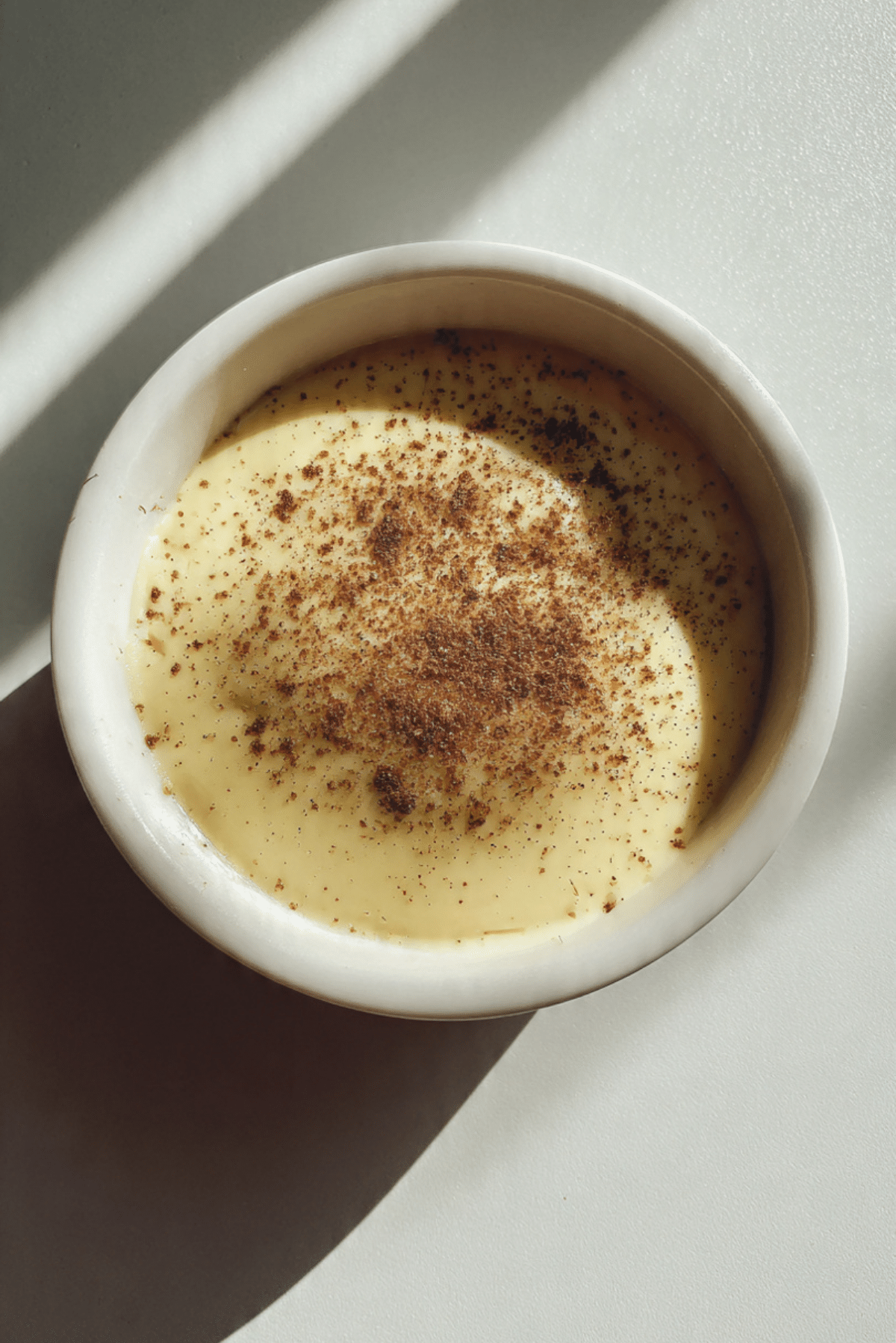
Custard Recipe
There’s something timeless about custard. That silky, creamy texture and comforting vanilla scent bring back warm memories of family dinners and quiet evenings. Whether it’s served on its own or poured over a slice of cake or fruit, custard has a way of making any dessert feel extra special. Trust me, once you master this classic, it’ll become your go-to indulgence for everything from weeknight treats to holiday feasts.
Behind the Recipe
Custard is one of those recipes that seems fancy but is secretly simple. I remember standing on a stool in my grandmother’s kitchen, watching her whisk eggs and sugar with the kind of patience only years of practice bring. She made it without rushing, always knowing exactly when to pull it off the heat to get that perfect silky texture. This recipe is my way of keeping that tradition alive, while making it just a bit easier for the everyday home cook.
Recipe Origin or Trivia
Custard has deep roots in European cuisine, especially in France and England. Its name comes from the old French word “croustade,” which referred to a crust used in pies. While the custard we know today is usually crustless, the concept of combining eggs, milk, and sweeteners dates back to the Middle Ages. Whether served as a sauce, a filling, or a standalone dessert, custard has made its way into kitchens around the world and evolved into countless regional variations.
Why You’ll Love Custard
Making custard is almost therapeutic, and the reward is sweet and satisfying. Here’s why it deserves a spot in your dessert rotation:
Versatile: Serve it as a standalone dessert, layer it in trifles, or pour it over cakes and fruits.
Budget-Friendly: Made with kitchen staples like milk, sugar, and eggs. No fancy ingredients required.
Quick and Easy: You’ll be surprised how fast it comes together on the stove.
Customizable: Add citrus zest, swap in different extracts, or even fold in fruit purees.
Crowd-Pleasing: Its smooth texture and gentle sweetness make it a universal favorite.
Make-Ahead Friendly: Can be prepared in advance and chilled until serving time.
Great for Leftovers: Pour over pastries or turn it into a filling for tarts.
Chef’s Pro Tips for Perfect Results
Creating that perfect custard is all about a few careful steps. Here’s how to make sure you nail it every time:
- Use medium-low heat: Rushing the process with high heat will lead to curdled eggs.
- Constant whisking is key: Keep the mixture moving to prevent lumps and ensure even cooking.
- Strain the custard: Run it through a sieve for the smoothest finish.
- Use fresh eggs: Their rich yolks give the custard its signature color and texture.
- Chill thoroughly: Let it cool completely in the fridge to set up just right.
Kitchen Tools You’ll Need
Before you begin, gather these essential tools to make your custard experience seamless:
Whisk: Helps keep the custard smooth and lump-free.
Medium saucepan: Ensures even heating.
Mixing bowls: Perfect for whisking eggs and sugar together.
Strainer or sieve: Removes any tiny bits of cooked egg for a silky texture.
Rubber spatula: Scrapes the pan clean and prevents sticking.
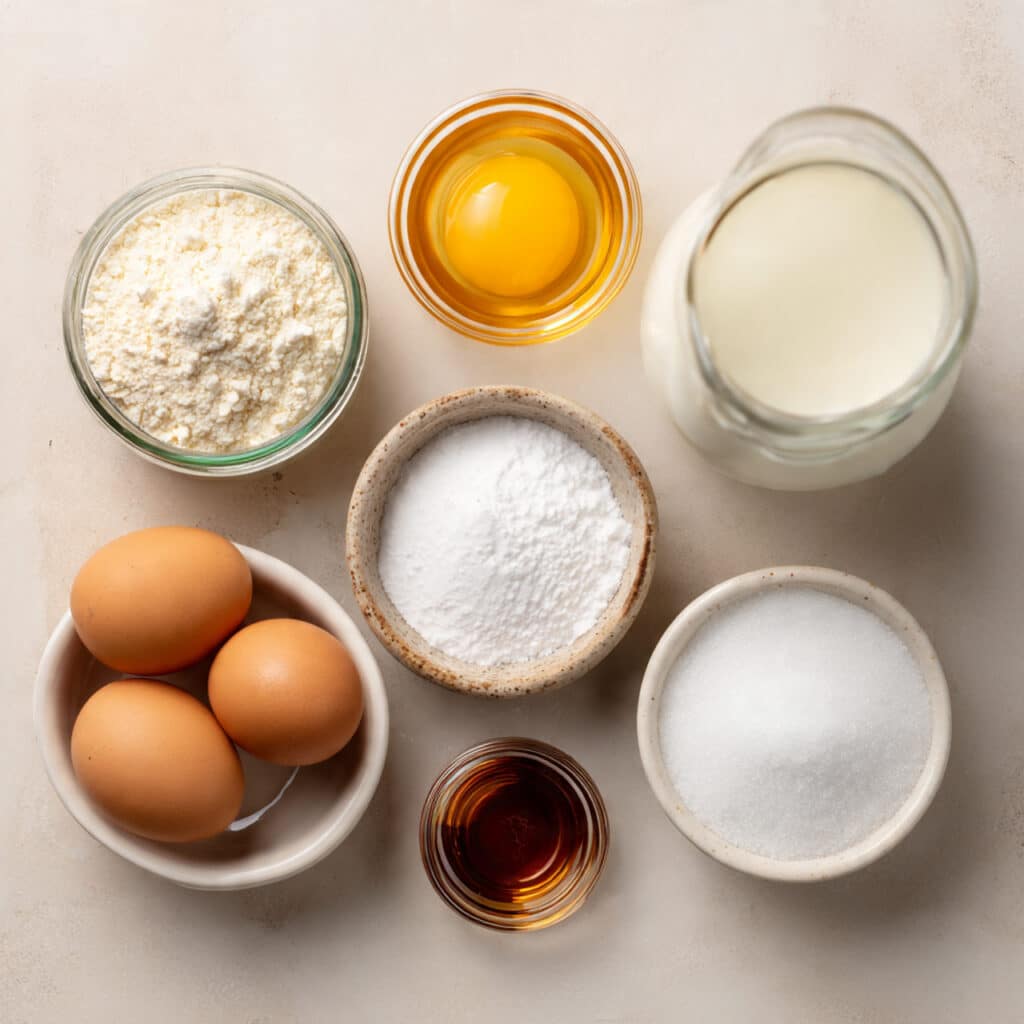
Ingredients in Custard
Each ingredient in custard works in harmony to create a dessert that’s rich, creamy, and full of flavor. Here’s what you’ll need:
- Whole Milk: 2 cups – Acts as the creamy base of the custard.
- Granulated Sugar: 1/2 cup – Adds the perfect level of sweetness.
- Egg Yolks: 4 large – Provide richness and help thicken the mixture.
- Cornstarch: 2 tablespoons – Stabilizes and thickens without changing the flavor.
- Vanilla Extract: 1 1/2 teaspoons – Infuses warmth and aroma.
- Salt: 1/4 teaspoon – Enhances flavor and balances the sweetness.
Ingredient Substitutions
Ran out of something? No worries. Here are a few easy swaps:
Whole Milk: Use half-and-half or a mix of milk and cream for a richer texture.
Cornstarch: Replace with the same amount of flour, though texture may vary slightly.
Granulated Sugar: Swap with honey or maple syrup (adjust quantity and expect a flavor shift).
Vanilla Extract: Try almond extract or a scraped vanilla bean for a twist.
Ingredient Spotlight
Egg Yolks: These are the heart of custard. They not only add color and richness, but also help the custard thicken as it heats.
Cornstarch: While traditional custards rely solely on eggs, cornstarch offers added stability and ensures a fail-safe texture, especially helpful for beginners.
Instructions for Making Custard
Making custard is a comforting ritual that starts with a gentle whisk and ends with a rich, spoonable delight. Here’s how to bring it to life:
1. Preheat Your Equipment:
No preheating needed, but make sure your saucepan and whisk are clean and dry.
2. Combine Ingredients:
In a bowl, whisk the egg yolks, sugar, cornstarch, and salt until smooth and pale yellow.
3. Prepare Your Cooking Vessel:
In a medium saucepan, heat the milk over medium heat until just about to simmer. Do not boil.
4. Assemble the Dish:
Slowly pour a bit of the hot milk into the egg mixture while whisking constantly (this is called tempering). Gradually add the rest of the milk.
5. Cook to Perfection:
Return the mixture to the saucepan and cook over medium-low heat, whisking constantly, until thickened and creamy, about 5–8 minutes.
6. Finishing Touches:
Remove from heat and stir in the vanilla extract. Strain through a fine-mesh sieve into a clean bowl for extra smoothness.
7. Serve and Enjoy:
Cover with plastic wrap (press directly onto the surface to prevent a skin) and refrigerate for at least 2 hours. Serve chilled.
Texture & Flavor Secrets
Custard’s magic lies in its contrast between smooth, velvety creaminess and the gentle warmth of vanilla. The slow cooking and constant whisking develop a luscious texture, while the sugar and salt bring out a deep, comforting sweetness with just enough complexity to keep you coming back for more.
Cooking Tips & Tricks
Here are a few extra ways to make your custard experience even smoother:
- Whisk eggs and sugar until very light in color. This ensures a smoother final texture.
- Temper slowly. Rushing the milk into the eggs can cause scrambling.
- Don’t walk away. Custard thickens fast and needs constant attention on the stove.
What to Avoid
Don’t worry, we’ve all had our custard slip-ups. Here’s how to prevent them:
- Avoid boiling the milk. It should be hot but not bubbling.
- Don’t skip straining. It removes any bits that might ruin that silky finish.
- Don’t overcook. Once it thickens, take it off the heat to avoid curdling.
Nutrition Facts
Servings: 4
Calories per serving: 220
Note: These are approximate values.
Preparation Time
Prep Time: 10 minutes
Cook Time: 10 minutes
Total Time: 20 minutes
Make-Ahead and Storage Tips
Custard is actually better when made ahead. It needs time to chill and set, which makes it a great prep-ahead dessert. Store in the fridge with plastic wrap pressed directly on the surface to prevent a skin from forming. It keeps well for up to 3 days. Freezing isn’t ideal, as the texture can become grainy once thawed. Reheat gently over low heat if you want it warm.
How to Serve Custard
Serve custard in elegant ramekins or pour over fresh berries, sponge cake, or a slice of pie. For a fancy twist, top with a dusting of cinnamon or shaved chocolate. Pair with coffee or tea for an afternoon treat, or serve as a sophisticated ending to a cozy dinner.
Creative Leftover Transformations
Turn leftover custard into something new and delicious:
- Custard-stuffed crepes for a dreamy breakfast.
- Layer it in a trifle with fruit and cake.
- Use as tart filling and top with fresh fruit.
- Blend with frozen fruit for a quick custard smoothie.
Additional Tips
- Use high-quality vanilla for the best flavor.
- Let the custard cool slowly before chilling.
- Whisk constantly during cooking to avoid lumps.
- Always strain for that ultra-smooth texture.
Make It a Showstopper
Presentation counts. Serve custard in clear glass dishes or vintage teacups. Add a sprinkle of nutmeg or a caramel drizzle on top. Garnish with a sprig of mint or a few berries for color contrast and elegance.
Variations to Try
- Chocolate Custard: Add 1/4 cup cocoa powder with the sugar.
- Coconut Custard: Replace half the milk with coconut milk.
- Lemon Custard: Add lemon zest and a splash of lemon juice for brightness.
- Chai-Spiced Custard: Add cinnamon, cardamom, and clove with the milk.
- Espresso Custard: Stir in a shot of strong coffee or espresso powder.
FAQ’s
Q1: Can I use skim milk?
A1: Yes, but the texture will be thinner and less creamy. Whole milk works best for richness.
Q2: How do I know when custard is done?
A2: It should coat the back of a spoon and leave a clean line when you swipe your finger across it.
Q3: Can I make custard without cornstarch?
A3: Yes, but it may not thicken as much. Just cook a bit longer and rely on the eggs.
Q4: What if my custard curdles?
A4: Try blending it for a few seconds to smooth it out, though prevention is best.
Q5: Is this the same as crème anglaise?
A5: Not quite. Crème anglaise is thinner and usually doesn’t contain cornstarch.
Q6: Can I double the recipe?
A6: Absolutely, just make sure to cook it evenly and use a larger pan.
Q7: Why did a skin form on top?
A7: It’s natural. Press plastic wrap directly onto the surface to prevent it.
Q8: Can I use it as pie filling?
A8: Yes, it’s excellent in pre-baked pie shells or tarts.
Q9: How long does it last in the fridge?
A9: About 3 days, tightly covered.
Q10: Can I flavor it differently?
A10: Definitely. Try almond, orange zest, or even a splash of rose water.
Conclusion
Custard is one of those timeless recipes that always delivers comfort, elegance, and flavor. With just a few simple ingredients and a little patience, you’ll have a dessert that feels luxurious and homemade at the same time. Let me tell you, it’s worth every bite. Now go make some, and enjoy every creamy spoonful.
Print
Custard Recipe
- Total Time: 20 minutes
- Yield: 4 servings
- Diet: Vegetarian
Description
Creamy, silky, and comforting, this homemade custard is a timeless dessert made with simple ingredients. Perfect for serving on its own or with cakes, fruits, or pastries.
Ingredients
- 2 cups whole milk
- 1/2 cup granulated sugar
- 4 large egg yolks
- 2 tablespoons cornstarch
- 1 1/2 teaspoons vanilla extract
- 1/4 teaspoon salt
Instructions
- In a mixing bowl, whisk together egg yolks, sugar, cornstarch, and salt until smooth and pale yellow.
- In a medium saucepan, heat milk over medium heat until just about to simmer. Do not let it boil.
- Slowly pour some of the hot milk into the egg mixture while whisking constantly to temper the eggs. Then gradually add the rest of the milk.
- Return the mixture to the saucepan and cook over medium-low heat, whisking constantly until the custard thickens, about 5–8 minutes.
- Remove from heat and stir in vanilla extract.
- Strain the custard through a fine-mesh sieve into a clean bowl to ensure a smooth texture.
- Cover with plastic wrap pressed directly onto the surface and refrigerate for at least 2 hours before serving.
Notes
- Use fresh, high-quality eggs for the best texture and color.
- Whisk constantly while cooking to prevent lumps and curdling.
- For extra flavor, try adding citrus zest or a cinnamon stick to the milk while it heats.
- Prep Time: 10 minutes
- Cook Time: 10 minutes
- Category: Dessert
- Method: Stovetop
- Cuisine: French
Nutrition
- Serving Size: 1/4 of recipe
- Calories: 220
- Sugar: 22g
- Sodium: 120mg
- Fat: 9g
- Saturated Fat: 3g
- Unsaturated Fat: 5g
- Trans Fat: 0g
- Carbohydrates: 29g
- Fiber: 0g
- Protein: 6g
- Cholesterol: 190mg